Skip to content
 Repairing synthetic stucco requires careful judgment to avoid unintended damage or added costs. Some situations may appear simple at first, while others involve underlying concerns that are not immediately visible. Knowing the difference helps homeowners decide whether a hands-on approach is reasonable or if professional support is the better option.
Making the correct choice protects the exterior system, reduces long-term risk, and ensures that repairs are handled in a way that supports durability, performance, and overall home maintenance goals.
Professional Synthetic Stucco Repair Process: What Contractors Actually Do

Contractors follow a structured repair process to restore synthetic stucco effectively. From thorough assessments to rebuilding and blending finishes, each step ensures durability, safety, and seamless results for homeowners.
Moisture Readings and Invasive Probe Testing
Contractors assess synthetic stucco using moisture meters and invasive probes. These tools detect hidden dampness and provide accurate readings to make sure underlying issues are identified early and guide the next steps for effective repair and restoration.
Removing Damaged Sections and Rebuilding Layers
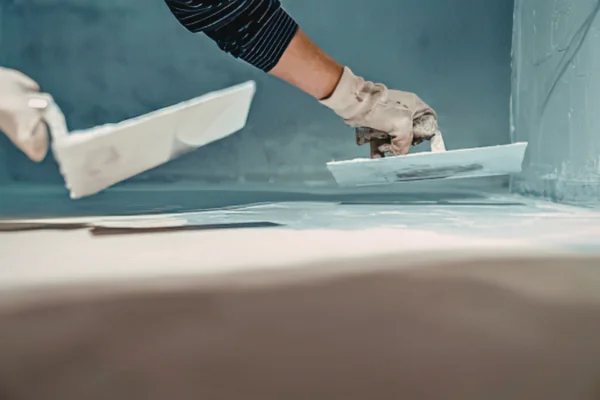
Damaged stucco sections are carefully removed without disturbing the surrounding material. Experts then inspect the underlying structure, make necessary repairs, and rebuild layers with new base coats and finishes to restore integrity and prepare for final touches.
Color-Matching and Blending Repairs for Curb Appeal
After rebuilding, contractors focus on seamless color matching and blending. They analyze existing textures, mix pigments for accuracy, and apply new material carefully, ensuring repairs integrate smoothly and preserve your home’s overall curb appeal.
Maintenance Tips to Prevent Future Damage
To keep your synthetic siding in top shape, regular maintenance is key. By following an annual inspection checklist and adopting simple maintenance habits, you can significantly extend the life of your siding.
Annual Inspection Checklist for Homeowners
Conducting an annual stucco inspection of your synthetic stucco siding is essential for maintaining its appearance and integrity. Check for synthetic stucco problems like cracks, discoloration, or mold growth, and ensure proper drainage around the base. Look for any signs of moisture damage, especially near joints and seams. Clean the surface regularly and address any issues immediately to prevent further damage and costly repairs.
Areas Most Likely to Fail Around Windows and Doors
When it comes to a synthetic stucco exterior system, pay close attention to the areas around windows and doors, as these spots are often the first to show signs of failure. Look for cracks, gaps, or peeling, which can allow moisture to seep in. Regularly inspect caulking and seals, and repair any damage promptly to prevent further issues and maintain your siding’s integrity.
Simple Maintenance Habits That Extend System Life
Regular maintenance can significantly extend the life of your synthetic stucco siding and prevent costly repairs. Start by regularly inspecting for cracks and moisture damage, especially around windows and doors. Clean the surface periodically to remove dirt and debris, and guarantee proper drainage to avoid water pooling. Finally, apply a protective sealant every few years to keep your siding in top shape.
Synthetic Stucco Repair Cost: What Homeowners Should Expect
Synthetic stucco repair costs in Santa Fe can vary depending on the type of damage, the size of the affected area, and the complexity of the repair. Factors such as accessibility, moisture remediation, and finish matching also influence pricing. Understanding these variables and comparing detailed estimates helps homeowners budget accurately and address issues before they lead to more extensive structural damage.
Do I Need a Permit to Repair Synthetic Stucco in Santa Fe?
Permit requirements for synthetic stucco repair in Santa Fe depend on the scope of the project. Minor repairs may not need approval, but structural changes often do. Checking with your local building department helps ensure compliance and avoid fines. Understanding regulations before starting helps prevent costly complications and keeps your repair project smooth, legal, and well documented from beginning to end.
How Moisture Gets Behind EIFS and Causes Leaks
Moisture intrusion behind Exterior Insulation and Finish Systems (EIFS) often results from cracks, gaps, or poor installation. Without proper drainage or maintenance, leaks can worsen and damage structures. Over time, trapped moisture may weaken materials and encourage mold growth. Recognizing these risks helps homeowners understand why preventive care and professional inspections are essential for long term protection.
Replacing vs. Repairing Synthetic Stucco in Severe Damage Cases
When synthetic stucco shows signs of serious deterioration, the right solution depends on how widespread the damage is and what’s happening beneath the surface. Localized cracks or isolated moisture issues can often be repaired effectively, while extensive damage, especially involving trapped moisture or compromised insulation, may require full replacement to restore performance and durability. A professional evaluation helps determine the most practical option, balancing upfront cost with long-term protection and avoiding repeat repairs or hidden structural problems.
Homeowner Experiences: What It’s Really Like to Repair Synthetic Stucco
For many homeowners, repairing synthetic stucco is less about the surface work and more about what’s discovered along the way. Some repairs are straightforward and resolved quickly, while others reveal moisture intrusion or underlying damage that extends the timeline and scope. Costs, scheduling, and coordination with contractors can shift as conditions are assessed and addressed. Homeowners who approach the process with clear expectations, good documentation, and open communication tend to have smoother projects and more reliable long term results.
Choosing a Qualified Synthetic Stucco Repair Contractor in Santa Fe
Selecting the right contractor is essential for successful synthetic stucco repair. A qualified professional ensures quality work, transparency, and long term results. Homeowners should focus on these key steps:
- Recommendations – Ask trusted friends or family for referrals
- Reviews – Check online feedback for reliability and reputation
- Credentials – Verify licenses and insurance for protection
- Interviews – Discuss experience, methods, and communication style
- Estimates – Request detailed pricing and scope for clarity
Following these guidelines helps ensure confidence, accountability, and smoother outcomes throughout the repair process.
Final Thoughts on Synthetic Stucco Repair

Keeping your synthetic stucco in top shape is essential for your home’s integrity in Santa Fe’s unique climate. While minor repairs can be tackled on your own, don’t hesitate to call in a professional for extensive damage. Regular maintenance and prompt repairs can save you time and money in the long run. By choosing a qualified contractor, you’ll guarantee your home remains beautiful and energy efficient for years to come.
Ready to stop leaks, moisture damage, or cracking EIFS? Stucco Contractors Santa Fe specializes in synthetic stucco inspections, moisture testing, and professional repairs that blend seamlessly with your home. Get a fast, no pressure estimate from certified EIFS experts today.
Call Stucco Contractors Santa Fe or request your free quote online now.
FAQ: Synthetic Stucco Repair in Santa Fe
1. How long do EIFS repairs typically last?
EIFS repairs can remain effective for many years when appropriately completed and supported by regular care. Longevity often depends on workmanship quality, ongoing maintenance practices, and how quickly minor issues are addressed.
2. Can synthetic stucco be painted?
Synthetic stucco can be painted to refresh its appearance or update its color. Proper surface preparation and compatible exterior coatings are essential to support adhesion, durability, and a consistent finish without affecting overall performance.
3. How do I know if water is trapped behind my walls?
Signs of trapped moisture may include surface discoloration, unusual odors, or changes in texture. These indicators suggest the need for further evaluation to prevent potential long-term issues from developing unnoticed.
4. Is EIFS still installed today or is it outdated?
EIFS is still used in modern construction and remodeling. Ongoing improvements in design and application have helped it remain relevant for homeowners seeking efficiency, flexibility, and a clean exterior appearance.
5. How oftenshould synthetic stucco be inspected?
Synthetic stucco should be reviewed periodically to maintain performance. Routine inspections help identify early changes, support preventive care, and reduce the likelihood of unexpected repairs or deterioration of exterior systems.