Skip to content
 Choosing between synthetic stucco (EIFS) and traditional stucco comes down to how each system performs over time. The differences affect cost, energy efficiency, maintenance, and how well the exterior holds up in your climate.
This guide breaks down the key differences between synthetic and traditional stucco so you can compare cost, performance, and long-term expectations before making a decision.
Synthetic Stucco vs. Traditional Stucco: Understanding the Core Differences

Synthetic and traditional stucco differ in how they are built, how they handle moisture, and how much maintenance they require. Understanding these differences can help you choose the right system based on your climate, budget, and long-term expectations.
What Is Traditional Stucco Siding?
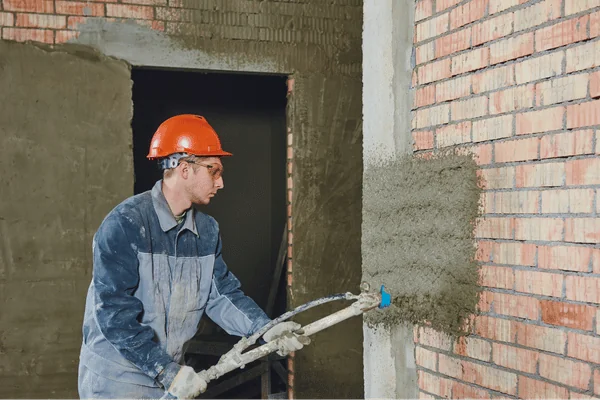
Traditional stucco siding embodies a timeless charm that has graced homes for centuries. Made from a mixture of cement, sand, and water, it creates a durable, textured surface. When compared to synthetic stucco, you’ll find that traditional options provide superior breathability and weather resistance. This classic material enhances curb appeal, making it a popular choice among homeowners seeking authenticity.
What Is Synthetic Stucco (EIFS)?
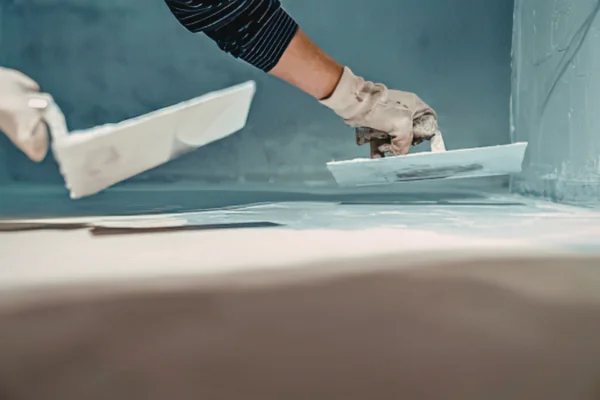
Synthetic stucco, often referred to as an Exterior Insulation and Finish System (EIFS), is a modern alternative that combines insulation and finish in a single system. This system typically features foam-board insulation covered with a weather-resistant barrier and a textured finish. EIFS is lightweight, energy-efficient, and available in various styles, making it a popular choice for contemporary homes.
Pros and Cons of Synthetic Stucco vs. Traditional Stucco
Both synthetic and traditional stucco have advantages and trade-offs. The right choice depends on factors like moisture resistance, maintenance, cost, and long-term performance.
Advantages of Traditional Stucco
Traditional stucco siding has long been valued for its durability and classic appearance. Its cement-based composition allows it to perform well in a range of climates while maintaining a consistent look over time. Other advantages include:
- Timeless aesthetic appeal that enhances curb appeal
- Natural composition allows excellent breathability
- Reduces moisture buildup, limiting mold growth
- Fire-resistant properties for added safety
- Long lifespan with proper maintenance
- Blends seamlessly with diverse architectural styles
These qualities make traditional stucco a reliable option for homeowners who prioritize longevity, low fire risk, and a finish that holds up over time with proper care.
Advantages of Synthetic Stucco
Synthetic stucco systems (EIFS) are designed to improve insulation and offer greater design flexibility. Their layered construction allows for more control over moisture and energy performance when installed correctly. Key advantages include:
- Lightweight material simplifies installation
- Highly resistant to moisture and cracking
- Lower maintenance compared to traditional stucco
- Energy-efficient properties enhance comfort
- Wide range of styles and colors available
- Greater design flexibility for modern homes
For homeowners focused on energy efficiency and modern design options, synthetic stucco can offer strong performance with less ongoing maintenance.
Potential Drawbacks Homeowners Should Know
While synthetic stucco offers several advantages, it also requires careful installation and ongoing awareness of moisture management. Other potential issues to watch for include:
- Improper installation may cause moisture issues
- Susceptibility to mold if water penetrates the layers
- synthetic stucco repairs can be more complex and costly
- May lack the authentic look of traditional stucco
- Requires skilled professionals for best results
- Long-term durability depends on installation quality
These considerations highlight the importance of proper installation and regular inspection, especially in climates where moisture exposure is a concern.
Cost Breakdown: Synthetic Stucco vs. Traditional Stucco
Cost is often a deciding factor when choosing between synthetic and traditional stucco. While both options can vary based on the project, there are clear differences in typical price ranges and what drives those costs.
Average Costs and What Affects Them
Synthetic stucco (EIFS) typically costs between $6 and $9 per square foot installed, while traditional stucco generally ranges from $4 to $8 per square foot installed. The final price depends on several factors, including labor, surface preparation, material quality, and the complexity of the installation.
Projects that require additional waterproofing, repairs to the underlying structure, or detailed finishes will fall on the higher end of these ranges. Because installation quality plays a major role in long-term performance, homeowners should compare detailed estimates rather than choosing based on price alone.
Energy Efficiency and Insulation Performance
One of the biggest differences between synthetic and traditional stucco is how each system handles insulation.
How Each System Impacts Energy Costs
Synthetic stucco (EIFS) includes a layer of foam insulation, which helps reduce heat transfer and improve overall energy efficiency. This added insulation can help maintain more consistent indoor temperatures and reduce heating and cooling costs over time.
Traditional stucco does not provide significant insulation on its own. It is typically installed over a solid base and may require additional insulation behind the walls to achieve similar energy performance.
For homeowners focused on energy efficiency, synthetic stucco often provides better built-in insulation, while traditional stucco may require extra steps to reach the same level of performance.
Which Stucco System Is Better for Your Home?

The right stucco system depends on what matters most for your home, whether it’s insulation, maintenance, appearance, or long-term durability.
Making the Right Choice
Synthetic stucco (EIFS) is often a better fit for homeowners who want improved energy efficiency and lower maintenance. Its built-in insulation and flexible finish make it a strong option for modern homes or climates where temperature control is a priority.
Traditional stucco is typically the better choice for homeowners who value a classic look and long-term durability. Its breathable, cement-based composition performs well in a range of conditions and is less sensitive to installation errors when properly applied.
In general, synthetic stucco is preferred for efficiency and design flexibility, while traditional stucco is chosen for its durability and traditional appearance. The best option depends on your home’s structure, climate, and how you plan to maintain the exterior over time.
Common Stucco Installation Mistakes to Avoid

When installing residential stucco, it’s easy to make mistakes that can end up costing you a lot of money. From improper mixing to inadequate moisture barriers, these errors can lead to serious issues down the line.
Mistakes That Can Cost Homeowners
Proper stucco installation plays a major role in protecting your home’s exterior and avoiding unnecessary repairs. Even small oversights during planning or application can lead to long-term issues that affect durability and performance.
- Poor surface preparation can prevent proper adhesion and lead to early failure
- Skipping moisture barriers increases the risk of water damage over time
- Using low-quality materials can reduce overall durability and finish
- Incorrect mixing or application methods may cause cracking or uneven results
- Installing in extreme temperatures can compromise curing and performance
These issues often don’t show up right away but can lead to costly repairs over time. Careful preparation and proper installation are critical to ensuring the stucco performs as intended.
Final Thoughts on Stucco
When comparing synthetic and traditional stucco, homeowners must weigh aesthetics, durability, and maintenance. Traditional stucco siding offers breathability and timeless appeal, while an insulated stucco system provides energy efficiency, versatility, and reduced upkeep. Climate, installation quality, and budget ultimately determine which siding delivers the best long-term performance, protection, and curb appeal for your home.
Don’t wait to improve your home’s curb appeal! Contact Stucco Contractors Santa Fe today for expert stucco services and a free cost estimate.
FAQ: Synthetic Stucco vs. Traditional Stucco
1. Is synthetic stucco better than traditional stucco?
Synthetic stucco offers durability and low maintenance, while traditional stucco provides authenticity and timeless aesthetics. The better choice depends on climate, budget, and design preferences. Evaluate both options carefully to determine which siding best suits your home’s needs.
2. How long does traditional stucco siding last?
Traditional stucco siding can last 50–80 years with proper care. Regular inspections, sealing, and prompt repairs help preserve durability. Environmental factors like climate and exposure also influence longevity, making maintenance essential for maximizing performance and appearance over time.
3. Does synthetic stucco have moisture problems?
Synthetic stucco may trap moisture if improperly installed or maintained, leading to mold or rot. Adequate drainage, professional installation, and routine inspections are critical to preventing issues, ensuring long-term protection, and maintaining the siding’s durability and performance.
4. What is the cost difference between EIFS and cement stucco?
EIFS generally costs more per square foot than cement stucco but offers insulation benefits that may reduce energy bills. Cement stucco is less expensive upfront, while EIFS provides potential long-term savings through improved efficiency and reduced heating and cooling costs.