Skip to content
 INTRODUCTION
Stucco is more than a signature architectural feature in Santa Fe—it’s one of the most important defenses against the region’s demanding high-desert climate. From historic adobe homes to modern Pueblo-style residences and commercial buildings, choosing the right stucco for the Santa Fe climate is important. Different types of stucco finish can significantly impact durability, energy efficiency, maintenance costs, and long-term property value.
Santa Fe’s unique environment puts every exterior finish to the test. At more than 7,000 feet above sea level, intense UV exposure accelerates fading and material breakdown. Wide day-to-night temperature swings, repeated freeze-thaw cycles, and seasonal monsoon rains can all cause cracking, moisture intrusion, and premature deterioration when the wrong stucco system or installation methods are used.
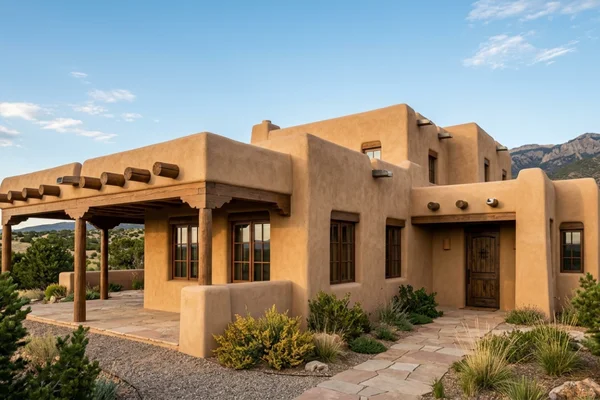
The best type of exterior stucco depends on your property’s construction, performance goals, and maintenance expectations. Understanding the different stucco types—including traditional stucco and synthetic stucco—helps homeowners and business owners choose a finish that delivers lasting protection in Northern New Mexico’s challenging climate.
In this guide, we’ll compare the most common stucco finishes, explain how various stucco textures perform in Santa Fe’s weather, discuss stucco maintenance in Santa Fe, and help you determine which system offers the best long-term value. Whether you’re planning a new installation, replacing aging stucco, or exploring your options, experienced local stucco experts can help you select the right solution for your property.
WHAT ARE THE MAIN TYPES OF STUCCO APPLICATIONS FOR NEW MEXICO HOMES?
The three most common stucco types used for residential and commercial buildings are traditional three-coat stucco, one-coat stucco, and synthetic stucco systems. Each offers distinct advantages in terms of durability, installation, maintenance, and performance in the high-desert environment. Understanding these stucco finishes is the first step toward choosing the best type for your Santa Fe property.
Traditional Three-Coat Stucco
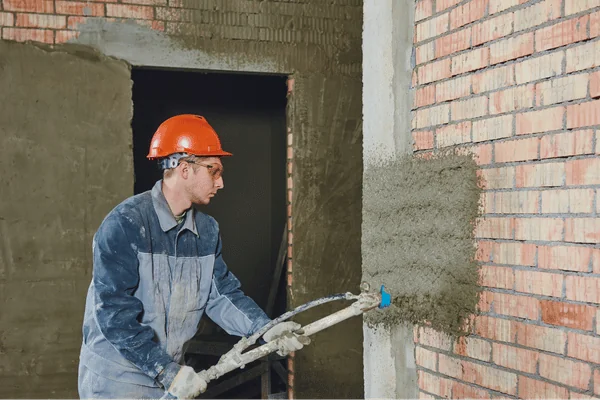
Traditional stucco is a Portland cement-based system installed in three layers: a scratch coat, a brown coat, and a finish coat. The scratch coat bonds to metal lath or masonry, the brown coat creates a smooth, level surface, and the finish coat provides the final color and stucco finishing texture.
With a finished thickness of approximately ⅞ inch over lath, traditional stucco forms a dense, highly durable exterior cladding that withstands impacts, resists fire, and tolerates decades of exposure to weather. When properly mixed, cured, and installed, it is one of the longest-lasting exterior finishes available.
One-Coat Stucco Systems
One-coat stucco is a factory-blended cement product containing Portland cement, sand, reinforcing fibers, and performance-enhancing additives. Applied in a single layer approximately ⅜ inch thick over metal lath, it reduces installation time and labor costs, making it a popular option for new residential developments and many commercial projects.
Its thinner profile, however, provides less thermal mass than traditional stucco. In Santa Fe’s climate, where temperatures can fluctuate dramatically between day and night, exterior walls expand and contract more frequently. When installed according to the manufacturer’s specifications, one-coat stucco offers an attractive balance among performance, appearance, and cost.
Synthetic Stucco (EIFS) and Acrylic Finishes
Synthetic stucco, commonly known as EIFS (Exterior Insulation and Finish System), combines rigid foam insulation with a fiberglass-reinforced base coat and a flexible acrylic finish. Acrylic finishes can also be applied over traditional or one-coat stucco bases without creating a full EIFS assembly. In these applications, the acrylic coating serves as a durable, flexible finish layer while retaining the strength of a cement-based stucco system.
Although EIFS performs well in many applications, moisture management is critical. Water that penetrates behind the insulation board can become trapped if drainage details, flashing, and sealants are not installed correctly. While Santa Fe’s dry climate reduces this risk compared to humid regions, seasonal monsoon storms still make proper water management essential.

HOW SANTA FE’S CLIMATE DETERMINES WHICH STUCCO PERFORMS BEST
The best type of exterior stucco for Santa Fe is one that can withstand the region’s unique environmental challenges. When choosing the best types of stucco finish, consider how the system performs against four key factors:
- High-altitude UV exposure
- Large day-to-night temperature swings
- Winter freeze-thaw cycles
- Summer monsoon moisture
A stucco system that performs well in another part of the country may not provide the same durability in Northern New Mexico without the right materials and installation methods.
Quick Answer: What Climate Factors Affect Stucco in Santa Fe?
| Climate Challenge | Why It Matters | Best Practice |
| High UV exposure | Causes fading and coating deterioration | Use UV-resistant acrylic finishes or high-quality mineral pigments |
| Thermal movement | Expansion and contraction can lead to cracking | Install properly spaced control joints and quality reinforcement |
| Freeze-thaw cycles | Trapped moisture expands when frozen, widening cracks | Use durable cement mixes, proper curing, and breathable sealers |
| Monsoon rains | Water intrusion can damage wall assemblies | Install proper flashing, weather barriers, and drainage details |
High-Altitude UV Exposure and Color Retention
At more than 7,000 feet above sea level, Santa Fe receives significantly stronger ultraviolet (UV) radiation than many lower-elevation regions. Over time, this exposure can fade pigments, weaken coatings, and shorten the lifespan of exterior finishes.
For better long-term performance:
- Choose UV-resistant acrylic finish coats.
- Select high-quality inorganic pigments for improved color retention.
- Pair acrylic finishes with a properly installed traditional stucco base for maximum durability.
- Consider lighter earth-tone colors, which typically weather better than darker, highly saturated finishes.
Thermal Movement and Crack Resistance
Daily temperature swings of 35–45°F—or more during winter—cause every type of stucco finish to expand and contract. Without proper installation, this movement often results in cracking.
Reduce the risk of cracking by:
- Installing properly spaced control joints.
- Reinforcing changes in plane and large wall sections.
- Providing additional protection around windows and doors.
- Following manufacturer installation guidelines and allowing proper curing.
Homes in exposed areas such as Galisteo, Lamy, and surrounding high-desert communities often experience greater thermal movement, making installation quality even more important.
Freeze-Thaw Durability
Repeated freeze-thaw cycles are one of the leading causes of long-term stucco damage. Moisture that enters small cracks expands as it freezes, gradually enlarging those openings and weakening the wall system.
Long-lasting stucco systems should include:
- Durable cement mixes designed for exterior use.
- Proper curing during installation.
- Effective crack-control details.
- Breathable water-repellent sealers that reduce moisture absorption without trapping vapor.
Monsoon Moisture and Water Management
Although Santa Fe has a dry climate, intense summer monsoon storms can drive rain behind exterior walls through gaps around windows, doors, roof intersections, and utility penetrations.
A durable stucco system depends on:
- Proper flashing
- Weather-resistant barriers
- Drainage details
- Quality sealants
- Correctly installed control joints
Even premium synthetic stucco or traditional stucco systems can fail if moisture becomes trapped behind the wall assembly.
Expert Tip: The longest-lasting stucco for the Santa Fe climate isn’t determined solely by the finish. Professional installation, proper moisture management, and regular inspections are just as important as selecting the right material. That’s why experienced local stucco experts evaluate the entire building envelope—not just the visible stucco surface.

TYPES OF STUCCO FINISHES AND TEXTURES FOR SANTA FE PROPERTIES
The right stucco finish affects more than appearance—it also influences durability, maintenance requirements, and long-term performance. In Santa Fe’s high-desert climate, the best stucco finish is one that complements your property’s architecture while withstanding intense UV exposure, temperature extremes, and seasonal monsoon rains.
Quick Comparison of Stucco Finishes
| Finish Type | Best For | Benefits |
| Sand Finish | Traditional Pueblo and adobe homes | Durable, hides imperfections, timeless Southwestern appearance |
| Smooth Finish | Modern homes and commercial buildings | Clean, contemporary look with premium curb appeal |
| Skip Trowel Finish | Southwestern and custom homes | Handcrafted appearance that disguises minor cracking |
| Dash Finish | Rustic residential and commercial properties | Textured surface that withstands weathering well |
| Acrylic Finish Coat | New construction and re-stucco projects | Superior UV resistance, color retention, and flexibility |
Sand Finish
A sand finish is one of the most popular stucco finishing textures in Santa Fe and throughout Northern New Mexico. Its subtle texture complements traditional Southwestern architecture while providing long-lasting performance.
Why homeowners choose sand finish:
- Hides minor surface imperfections
- Weathers naturally over time
- Accepts paint and specialty coatings well
- Matches historic Pueblo and Territorial architecture
- Ideal for homes in Tesuque, Pojoaque, and Santa Fe’s historic districts
Smooth Finish
A smooth finish creates a sleek, modern appearance but demands exceptional craftsmanship because imperfections are far more visible than with textured finishes.
Best suited for:
- Contemporary homes
- Luxury custom residences
- Commercial buildings
- High-end remodels
For the best type of exterior stucco with a smooth finish, many contractors recommend a traditional cement base finished with a premium acrylic or elastomeric coating. This combination improves UV resistance, enhances color retention, and helps reduce hairline cracking.
Skip Trowel and Dash Finishes
Skip trowel and dash finishes provide a handcrafted appearance that blends naturally with Southwestern architecture while adding practical performance benefits.
Advantages include:
- Rustic, artisan appearance
- Helps disguise hairline cracks
- Softens the signs of normal weathering
- Excellent choice for stucco in Santa Fe climates
- Suitable for both residential and commercial properties
Acrylic Finish Coats
Acrylic finish coats are polymer-modified coatings applied over a properly cured cement base. They are available in a wide variety of colors and stucco-finish textures, offering greater flexibility than traditional cement-only finishes.
Key benefits include:
- Superior UV resistance
- Better long-term color retention
- Improved crack resistance
- Greater flexibility during thermal expansion and contraction
- Lower maintenance requirements
For many property owners, combining a traditional three-coat stucco system with an acrylic finish coat provides one of the best balances of durability, curb appeal, and long-term performance in Santa Fe’s climate.

MATERIAL LONGEVITY, CURB APPEAL, AND RETURN ON INVESTMENT
Choosing the right stucco for the Santa Fe climate is more than an aesthetic decision—it’s a long-term investment in your property’s durability, appearance, and value. A professionally installed stucco system helps protect the building envelope, reduces maintenance costs, and enhances curb appeal for both residential and commercial properties.
Expected Lifespan for Different Types of Stucco Finish
The lifespan of a stucco exterior depends on the material, installation quality, and ongoing maintenance.
- Traditional three-coat stucco: Typically lasts 40–50 years or more with proper maintenance.
- One-coat stucco: Generally provides 20–30 years of service when correctly installed.
- Synthetic stucco (EIFS): Finish coats typically last 20–25 years, with overall system longevity largely dependent on effective moisture management.
- Acrylic finish coats usually require refinishing after 15–20 years, while the underlying cement base can remain structurally sound for decades.
Regular inspections and timely repairs can significantly extend the life of any type of stucco finish.
Curb Appeal That Fits Santa Fe
Santa Fe’s distinctive architecture is defined by earth-toned traditional stucco and authentic Southwestern design. A clean, well-maintained exterior creates a strong first impression, while fading, cracking, or poorly patched stucco can make a property appear neglected.
Whether you choose a classic sand finish or a smooth contemporary finish, quality workmanship and durable, UV-resistant coatings help preserve curb appeal and support property value. For commercial buildings, an attractive exterior also strengthens customer confidence and tenant appeal.
Long-Term Return on Investment
Few exterior improvements deliver the lasting value of professionally installed stucco. The best type of exterior stucco not only improves resale potential but also reduces future maintenance needs, minimizes the risk of costly moisture intrusion, and enhances the long-term performance of the building envelope.
Working with experienced local stucco experts ensures the system is properly matched to Santa Fe’s climate and installed correctly the first time—maximizing both durability and long-term return on investment.

Get Expert Help Choosing the Best Stucco for Santa Fe’s Climate
Choosing the right stucco for the Santa Fe climate starts with expert guidance. Whether you’re planning a new installation, replacing aging stucco, or repairing cracks and moisture damage, selecting the best type of exterior stucco can protect your property for decades.
At Stucco Contractors Santa Fe, our experienced team installs and repairs traditional stucco, one-coat systems, synthetic stucco, and premium acrylic finishes for homes and commercial properties throughout Santa Fe, Eldorado, Española, Pecos, Seton Village, and the surrounding high-desert communities. We’ll evaluate your building, recommend the right stucco system for your budget and performance goals, and match existing stucco finishing textures and colors for a seamless result.
Schedule your free estimate today to receive a professional on-site evaluation, honest recommendations, and a customized solution built for Santa Fe’s demanding climate. Discover why property owners trust our local stucco experts for durable craftsmanship, lasting curb appeal, and long-term protection. Contact us today to learn more about the types of stucco finishes that are perfect for Santa Fe homes and businesses.
FREQUENTLY ASKED QUESTIONS
Which type of stucco is best for Santa Fe’s climate?
For most homes and businesses, traditional three-coat stucco is the best stucco for the Santa Fe climate. It withstands UV exposure, freeze-thaw cycles, and temperature swings while remaining compatible with adobe and masonry construction. An acrylic finish coat provides additional durability and color retention.
How many different types of stucco are there?
There are three primary stucco types: traditional three-coat stucco, one-coat stucco, and synthetic stucco (EIFS). Each can be finished with textures such as sand, smooth, skip trowel, or dash, depending on the property’s style, budget, and performance needs.
Can mold grow behind stucco?
Yes. Mold can develop if water becomes trapped behind the stucco due to poor flashing, damaged moisture barriers, or improper installation. Professional water management, drainage details, and regular inspections help prevent moisture intrusion and protect the building envelope.
What is the newer type of stucco?
The newest stucco types include synthetic stucco (EIFS), one-coat stucco systems, and polymer-modified acrylic finishes. These products offer advantages such as improved flexibility, insulation, or faster installation, but each should be selected based on the building and Santa Fe’s climate.
What is the best paint for exterior stucco in Santa Fe?
A high-quality 100% acrylic masonry paint or elastomeric coating is typically the best choice. These coatings resist UV fading, accommodate minor movement, and help protect stucco from moisture while preserving Santa Fe’s traditional earth-toned appearance.
How long does stucco last in Santa Fe?
A professionally installed traditional stucco system can last 40 to 50 years or more with proper maintenance. Regular inspections, timely crack repairs, and high-quality coatings help maximize the lifespan of any stucco finish in Santa Fe’s demanding climate.
What is the lowest-maintenance stucco finish?
Sand finishes and acrylic-coated stucco generally require the least maintenance. They resist weathering, hide minor imperfections, and retain their appearance longer than many traditional cement-only finishes, making them a popular choice for Santa Fe homeowners.
Should cracked stucco be repaired or replaced?
Hairline cracks can often be repaired, while widespread cracking, moisture intrusion, or structural damage may require partial or full replacement. A professional inspection is the best way to determine whether repair or replacement is the most cost-effective solution.
How often should stucco be inspected in Santa Fe?
Stucco should be professionally inspected every few years and after severe storms. Regular inspections can identify small cracks, sealant failures, or moisture issues before they develop into costly repairs, helping extend the life of your exterior finish.