Skip to content
 Selecting from the many stucco finish types available can feel overwhelming, especially when each option affects more than just appearance. The finish you choose affects durability, maintenance, and how your home ages over time. Instead of guessing, it helps to understand the basics first.
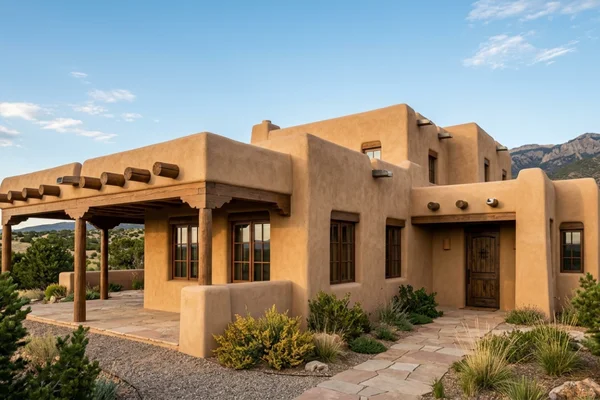
Explore popular stucco finish types with guidance from Local stucco service providers. We explain types of stucco finishes, compare Stucco options for Santa Fe homeowners, and recommend the Best stucco finishes for Santa Fe climates, using region-specific expertise and standards. This guide gives you a clear starting point so you can compare options and move forward with confidence.
What Is a Stucco Finish – and Why Does It Matter More Than You Think?

Choosing the right stucco finish types is not just about appearance. The finish you select affects durability, maintenance, and how your home holds up over time. A poor choice can lead to higher upkeep or repairs, while the right one can improve both performance and overall value.
Stucco finishes are the final layer applied to a wall, creating the visible texture and surface. Many homeowners focus only on style, but types of stucco finish also impact how well the surface resists wear and environmental exposure. Understanding your options early helps you avoid costly changes later and choose a finish that works for your home long term.
The difference between a base coat and a finish coat, and why homeowners confuse them
A base coat forms the foundation of the stucco system, providing structure and strength. The finish coat is the outer layer that determines the texture and appearance. Many homeowners confuse the two because they focus on how the surface looks without realizing that durability depends on both layers working together.
When comparing different types of stucco finish for residential buildings, it is important to understand that the finish coat does not carry the full load. The base coat supports it, while the finish adds protection and style. A well-built system properly combines both layers, ensuring the final surface performs as expected and lasts longer with fewer issues over time.
How your climate, HOA rules, and home style quietly narrow your options before you even start
Before choosing from available stucco finish types, several factors already shape your options. Climate plays a major role, as some finishes perform better in dry conditions while others handle moisture more effectively.
Home design also matters. Certain exterior stucco finish types match specific architectural styles better than others. In some cases, community guidelines may limit texture or color choices.
These factors often guide your decision before you even compare finishes. Understanding them early helps you focus on different stucco finishes that truly fit your home instead of wasting time on options that may not work in your situation.
The Most Common Exterior Stucco Finish Types – Explained Without the Jargon
Trusted local stucco service providers detail popular stucco finish types and types of stucco finishes. Discover Stucco options for Santa Fe homeowners and the Best stucco finishes for Santa Fe climates, backed by documented experience, inspections, and manufacturer-compliant installation practices.
There are several stucco finish types used on residential homes, each offering a distinct look and level of performance. Understanding these options helps you choose a finish that fits both your style and maintenance expectations.
Smooth finish – sleek, modern, and harder to pull off than it looks
A smooth finish creates a clean and simple surface with minimal texture. It is often used in modern designs because of its refined appearance. However, it requires skilled application since any imperfections are easy to see. Among various stucco finish options, this one offers a polished look but may need more attention to maintain its appearance over time.
Sand finish – the reliable workhorse most contractors default to
The sand finish is one of the most common exterior stucco finish types. It has a light texture that helps hide minor surface flaws while still looking consistent. This finish is often chosen for its balance of durability and ease of application. When comparing different types of stucco finish, sand finish stands out as a practical and widely used option.
Dash finish (roughcast) – budget-friendly and forgiving on imperfect walls
Dash finish has a rough, textured surface created by applying material onto the wall. It is known for covering imperfections well, making it a good choice for uneven surfaces. Many homeowners consider it when looking for cost-effective stucco finishes that still provide durability.
Lace finish (skip trowel) – the most popular texture in warm climates
Lace finish creates a layered texture with subtle patterns. It is one of the most widely used types of finish for stucco because it offers both visual interest and durability. This finish is often chosen for its ability to handle wear while maintaining a balanced look.
Santa Barbara finish – the premium Mediterranean look with a premium price tag
This finish provides a smooth, slightly textured appearance that reflects traditional design styles. It requires careful application and high-quality materials. Among exterior stucco finish types, it is often selected for its refined look, though it may require more effort to achieve properly.
Cat face finish – a textured classic you’ll recognize on older homes
Cat face finish combines smooth areas with rough patches, creating a distinctive pattern. It is commonly seen on older homes and adds character to the surface. When exploring different types of stucco finish, this option offers a unique look that stands out from more uniform styles.
Worm or swirl finish – niche, decorative, and a love-it-or-hate-it choice
This finish features curved or circular patterns created during application. It is less common but can add a decorative element to a home. Among stucco finish types, it is often chosen by homeowners looking for something different, though it may not appeal to everyone.
Comparing Different Types of Stucco Finish: Durability, Cost, and Maintenance Side by Side

When comparing different types of stucco finish, it helps to look beyond appearance and focus on performance. Some finishes are more durable, while others require more upkeep. Understanding these differences helps you make a more informed decision.
Which finishes hold up best in changing climates
Certain stucco finish types perform better in areas with frequent temperature changes, while others are better suited for consistent conditions. Rougher finishes tend to hide wear more easily, while smoother finishes may show cracks or marks more clearly over time. Choosing the right finish helps reduce maintenance and improves long-term performance.
Realistic cost ranges – and what drives prices up or down
The cost of stucco finishes depends on factors such as labor, material quality, and application method. Finishes that require more skill or preparation tend to cost more. Simpler textures are often more budget-friendly, making them a common choice for larger projects.
Maintenance honesty: what painters and contractors don’t always tell you upfront
Some exterior stucco finish types require more maintenance than others. Smooth finishes may need more frequent care to keep their appearance, while textured finishes are more forgiving. Understanding these differences helps you plan for upkeep and avoid unexpected maintenance over time.
How Professionals Actually Apply These Finishes (So You Know What You’re Paying For)
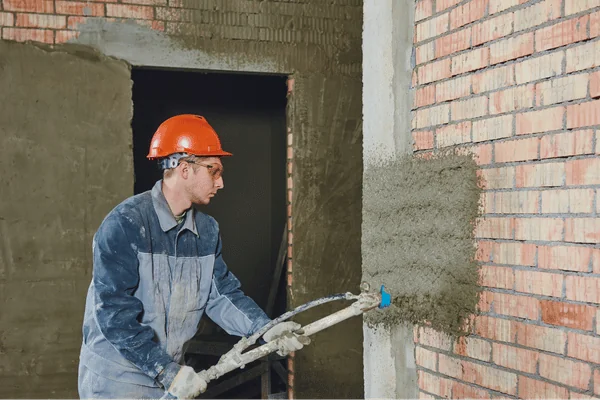
Applying a stucco finish involves a detailed process that affects both appearance and durability. Knowing how professionals handle the work helps you understand what goes into a quality result.
The three coat and two coat system – and which finish types require which
Some projects use a layered system that includes a base, intermediate, and finish layer, while others use a simplified approach. The method used often depends on the surface and the chosen type of finish. A proper system ensures the finish performs well and lasts longer.
Tools contractors use for different textures
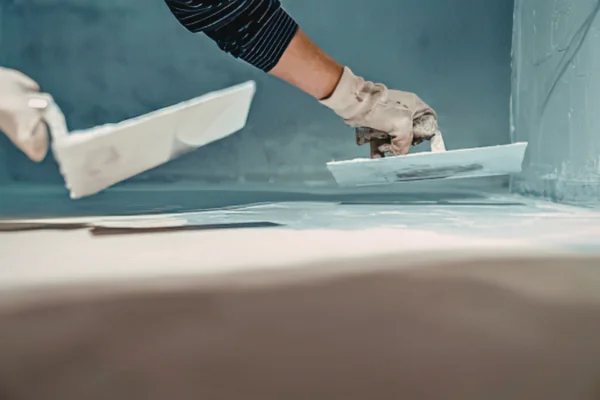
Different stucco finish types require specific tools. Trowels are used for smooth surfaces, while other tools help create textured finishes. The right tools and techniques are essential for achieving the desired look and consistency.
Red flags to watch for on a job site
When reviewing a project, watch for uneven application or rushed work. Poor preparation can lead to issues later. Understanding how different types of stucco finish should be applied helps you identify quality work and avoid problems.
Which Type of Stucco Finish Is Right for Your Home?
Selecting the right stucco finish isn’t just about looks. It’s about making a choice that fits your climate, architecture, budget, and long‑term goals. The wrong decision can lead to costly maintenance or reduced resale value, while the right one enhances both durability and curb appeal. Use this framework to guide your choice.
A Quick Decision Checklist: 5 Questions to Ask Before Calling a Contractor
Think about your budget, maintenance expectations, and design goals. These factors help narrow down the type of stucco finish that works best for your situation.
- What climate challenges does my home face?
- Does my neighborhood have a consistent character or style?
- What budget do I have for installation and upkeep?
- Which architectural style defines my home?
- Am I planning to sell or remodel in the near future?
What Works for Mediterranean, Craftsman, Modern, and Ranch‑Style Homes
Mediterranean homes often benefit from textured stucco finishes that highlight warmth and tradition. Craftsman designs pair well with subtle patterns that emphasize detail. Modern homes typically favor smooth, clean surfaces for a sleek look, while ranch‑style properties thrive with versatile mid‑texture options that balance durability and aesthetic appeal.
Mistakes Homeowners Make When Choosing a Finish (and How to Avoid Them)
A common mistake is focusing solely on appearance while ignoring climate, durability, or maintenance needs. This oversight can lead to costly repairs and reduced value. Homeowners should evaluate environmental conditions, architectural style, and upkeep requirements. A balanced approach ensures the chosen stucco finish performs well and lasts for years.
How Long Do Stucco Finishes Last – and What Does Upkeep Actually Cost?
The lifespan of stucco finish types depends on the quality of application and ongoing care. With proper maintenance, stucco can last for many years and continue to protect your home.
Signs your stucco finish is failing — and whether to patch or redo
Recognizing early warning signs helps homeowners decide whether stucco repairs are sufficient or a full update is needed.
- Cracks: Small or spreading cracks may signal deeper structural issues.
- Discoloration: Stains or fading often point to moisture or weather damage.
- Surface Damage: Peeling, flaking, or erosion shows the finish is breaking down.
Spotting these problems early prevents costly repairs. Visit our blog to learn more.
Painting over stucco – which finishes allow it, which ones fight it
Many types of stucco finish can be painted to refresh their appearance. However, smoother finishes may show imperfections more easily after painting. Understanding how your finish reacts helps you plan future updates.
Frequently Asked Questions
1. What are the most popular stucco finish types for residential homes?
Common stucco finish types include smooth, sand, lace, dash, and swirl finishes. Each offers a different texture and maintenance level.
2. What is the difference between smooth and sand stucco finish?
A smooth finish has a flat surface, while a sand finish has a light texture. Sand finish is more forgiving and easier to maintain.
3. Which stucco finish is best for hot climates?
Textured finishes are often preferred because they handle wear and exposure better than smoother surfaces.
4. How much does it cost to apply different types of stucco finishes?
Costs vary based on labor, materials, and finish type. Simpler finishes are usually more affordable than more detailed ones.
5. Can you change a stucco finish type without redoing the whole wall?
In some cases, finishes can be updated, but it depends on the condition of the existing surface. A professional assessment is recommended.