Skip to content
 You might not think about it often, but the weather can significantly impact your stucco exterior. As temperatures shift, your stucco expands and contracts, which can lead to cracks and other issues if left unchecked. Understanding how temperature changes affect your exterior finishing is essential for maintaining its integrity.
So, what common problems should you look for, and how can you prevent them? The answers might surprise you, especially regarding the best practices for protecting your investment. Let’s take a deeper look and see what homeowners in the Santa Fe area need to know about stucco maintenance and how temperature changes affect their stucco exterior finish.
Understanding How Stucco Reacts to Temperature Changes
Understanding how stucco reacts to changes in temperature is vital for maintaining its integrity. Expansion and contraction can lead to cracks if not properly managed, while extreme heat and freezing temperatures can further impact its durability. Let’s explore these effects to keep your stucco looking its best.

Expansion and Contraction: The Science Behind It
An exterior finish made of stucco responds noticeably to temperature shifts. As temperatures rise, the stucco expands due to the thermal properties of its components cement, lime, and sand and contracts when the temperature drops. These constant shifts, though subtle, gradually create stress within the material.
Over time, this can lead to visible cracks and surface damage. Flexible coatings like elastomeric paint are important to counteract these effects and ensure proper installation. Regular stucco maintenance helps your stucco adjust safely to temperature changes and extends the life of your home’s finish.
How Extreme Heat Affects Stucco
High heat significantly impacts a stucco exterior finish. As temperatures climb, the stucco expands, often resulting in surface cracks affecting appearance and structure. Continuous exposure to extreme heat can also fade color and reduce overall durability. The bond between stucco and its base may weaken, increasing the risk of delamination.
These temperature variations accelerate wear and tear, making regular inspections essential. Applying reflective coatings and ensuring good ventilation can reduce heat absorption and protect your exterior. Taking these steps helps maintain your stucco’s integrity and keeps it looking sharp through hot seasons.
The Impact of Freezing Temperatures on Stucco
Freezing weather poses serious challenges to stucco siding. Moisture that seeps into the stucco can freeze and expand during low temperatures, leading to cracks and surface damage. As these temperature shifts continue in freeze thaw cycles, the stucco undergoes repeated expansion and contraction, further weakening its structure.
You may also notice peeling or flaking over time. To prevent damage, apply a waterproof sealant before winter and inspect regularly for any signs of distress. Addressing small issues early helps maintain your stucco’s appearance and strength during cold weather.
Common Stucco Exterior Finishing Issues Caused by Temperature Fluctuations
As temperatures fluctuate, your stucco exterior can face several issues. You might notice cracking, moisture absorption, and even fading over time. Understanding these common problems can help you proactively protect your home.
Cracking and Structural Damage
Temperature fluctuations cause stucco to expand and contract, leading to cracks and potential structural damage. Over time, this stress weakens the finish, and moisture can seep in and freeze, causing further damage. Regular inspections and timely repairs help prevent costly issues, preserving the integrity of your stucco exterior.
Moisture Absorption and Mold Growth
Fluctuating temperatures can trap moisture in stucco, promoting mold growth that damages the exterior and indoor air quality. Mold removal is costly and complex. Prevent moisture absorption by sealing cracks, inspecting for water damage, cleaning gutters regularly, and safeguarding your home from mold related health issues.
Fading and Surface Erosion
Temperature fluctuations can cause stucco to fade and erode, with UV rays accelerating pigment breakdown and moisture evaporation further weakening the surface. To prevent this, apply UV resistant sealants and maintain your stucco regularly. These steps help maintain its appearance and protect it from the wear and tear of changing temperatures.
Best Practices to Protect Your Stucco from Temperature Changes
Start with proper installation and high quality materials to keep your stucco in top shape through the shifting temperatures. Regular seasonal stucco maintenance is essential to spot issues early and prevent damage. Also, consider choosing weather resistant stucco coatings to add an extra layer of protection against the elements.

Proper Installation and Quality Materials
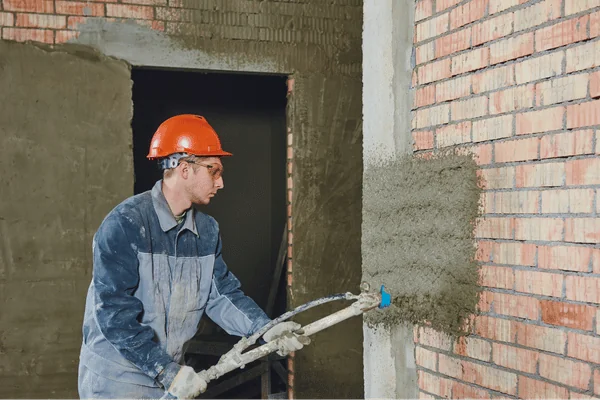
Protecting your stucco exterior finishing from temperature fluctuations begins with proper installation and high quality materials. Follow these key steps:
- Choose a Skilled Contractor: Hire a reputable contractor with experience in stucco application. Ensure they follow industry standards and local building codes.
- Use Quality Stucco: Choose a high-strength mix. Additives can increase flexibility and adhesion, helping the stucco expand and contract with temperature fluctuations.
- Use a Moisture Barrier: Apply a weather-resistant barrier beneath the stucco to slow moisture infiltration. This helps guard against damage from temperature shifts.
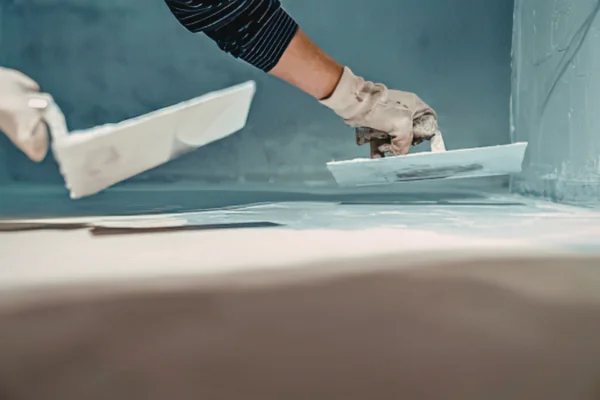
- Correct Layering and Curing: Properly layer and cure the stucco for a solid bond to the substrate. This ensures long-lasting durability and resistance to cracking.
By prioritizing these steps, your stucco exterior finish will withstand the changing temperatures while maintaining its strength and visual appeal.
Seasonal Maintenance Tips for Stucco
Your stucco wall finish is designed to be durable, but seasonal temperature swings can still take a toll. Staying on top of routine stucco maintenance ensures your stucco remains strong and visually appealing all year. Follow this seasonal checklist to help preserve its integrity:
- Spring: Clean the surface with a gentle power wash to remove dirt and grime. Inspect for cracks or early signs of damage, and complete minor repairs before they worsen.
- Summer: Apply a UV resistant sealant to protect against color fading and surface erosion. Check for signs of heat-related expansion that could cause cracking.
- Fall: Clear fallen leaves and organic debris from around the base of your home to prevent trapped moisture and mold growth.
- Winter: Watch for snow and ice buildup. Seal any visible cracks before freezing temperatures cause them to expand.
With proper seasonal care, your stucco exterior finish will continue to protect and enhance your home for years.
Choosing Weather-Resistant Stucco Coatings
Choose weather resistant coatings designed for such conditions to protect your stucco from extreme temperature changes. These coatings shield against moisture, UV rays, and fluctuating temperatures, ensuring your stucco wall finish stays intact. Opt for elastomeric coatings that expand and contract without cracking.
Water repellency prevents moisture infiltration, reducing mold and mildew risks. UV stable pigments resist fading and reflect heat, helping cool your home. Follow the manufacturer’s surface preparation and drying guidelines for optimal results. If unsure, hiring a professional ensures proper application. A high quality, weather resistant coating will protect your stucco and maintain its durability, even with constant changes in temperature.
When to Seek Professional Stucco Repair and Maintenance
If you notice cracks, discoloration, or moisture issues in your stucco, it’s time to get professional help. Ignoring these signs can lead to more significant problems down the line. Finding the right stucco contractor can make all the difference in restoring your home’s exterior.
Signs Your Stucco Exterior Finishing Needs Immediate Attention
Over time, various signs can indicate that your stucco requires immediate attention. Catching these issues early can prevent further damage and help maintain the integrity of your home. Here are some key signs that your stucco needs repair:
- Large or expanding cracks
- Flaking or peeling paint (indicating moisture intrusion)
- Discoloration or staining (potential water damage or mold growth)
- Bulging or sagging areas (signaling underlying issues)
- Pooling water around the foundation
- Water damage inside the home
Addressing these issues promptly helps prevent further damage and costly repairs, ensuring your stucco exterior finish remains durable and aesthetically pleasing. Regular maintenance is key.
Finding the Right Stucco Contractor
When your stucco exterior needs repair, find a reputable contractor. Research local options, check reviews, and ask for references. Ensure they’re licensed and insured for peace of mind schedule consultations to discuss their approach and expertise. Comparing multiple quotes helps you make an informed decision, ensuring your stucco remains protected and well maintained.
Final Thoughts on Stucco and Temperature
Regularly inspecting your stucco exterior finish is crucial to maintaining its integrity. Temperature shifts can cause issues like cracking, which can worsen over time. By addressing minor problems early and performing regular maintenance, you can extend the life of your stucco. If significant damage occurs, it’s best to seek professional help to ensure your home remains protected and visually appealing.
FAQs
1. How do temperature changes affect stucco?
Stucco expands and contracts with temperature changes. Over time, this movement can cause cracks, surface damage, and structural stress, especially if the finish isn’t correctly maintained or sealed.
2. Can extreme heat damage my stucco exterior?
Yes, extreme heat can dry out stucco, making it brittle and more prone to cracking. It can also fade the finish and compromise the overall appearance of your exterior walls.
3. What happens to stucco in freezing temperatures?
In freezing conditions, moisture trapped in stucco can expand and worsen cracks. Repeated freeze thaw cycles significantly increase the risk of surface deterioration and underlying structural issues.
4. Is it normal for stucco to crack during seasonal changes?
Small hairline cracks may be normal, but more extensive or expanding cracks indicate stress from temperature swings. These should be evaluated to prevent more serious damage and moisture related complications.
5. How can I protect my stucco from weather damage?
Regularly inspect for cracks, apply flexible, weather resistant coatings, and ensure proper drainage. These actions help your stucco handle seasonal changes and extend the lifespan of the exterior finish.
6. Does moisture make weather damage worse?
Absolutely. When moisture gets into cracks and freezes, it expands, worsening damage. Moisture also leads to staining, mold growth, and long term deterioration of the stucco surface.
7. What are the signs that the weather is impacting my stucco?
Common signs include cracking, bulging, fading, peeling paint, and water stains. These often indicate damage from weather exposure and should be addressed quickly to avoid further deterioration.
8. Should I repair stucco damage right away?
Yes, prompt repairs prevent minor problems from turning into costly ones. Early action protects your stucco from worsening damage caused by moisture, freezing temperatures, or repeated heat exposure.